
Emergency Fund: What is it and How to Build One?
Photo by Katie Harp
Life is full of surprises. Sure, it would be nice if one of them was someone handing you a million dollars at your door—but unfortunately, most financial surprises aren’t that exciting. It’s far more likely you’ll face something like a job layoff, unexpected medical bills, or home damage from a natural disaster.
But emergencies don’t have to be dramatic to throw you off. What if your car's transmission fails? If an unexpected expense like that would derail your entire month, it’s a sign you may not be financially prepared.
In situations like these, many people turn to credit cards or personal loans—options that often come with high interest rates and repayment struggles. That’s exactly why having an emergency fund is so important: it gives you a financial safety net when life doesn’t go as planned.
Want to See Where Your Money’s Going? Get the Budget Template Now
What is an emergency fund?
An emergency fund is money you can quickly and easily access when unexpected problems arise. However, “easily accessible” doesn’t mean hiding cash under your mattress—a surprising number of people still do this. Not only is that risky (one rat in India famously ate a large stash of bills), but inflation will gradually reduce the value of that hidden money. Instead, your emergency fund should be kept in a liquid form—like a bank account—so you can transfer it online or withdraw it in person whenever you need it.
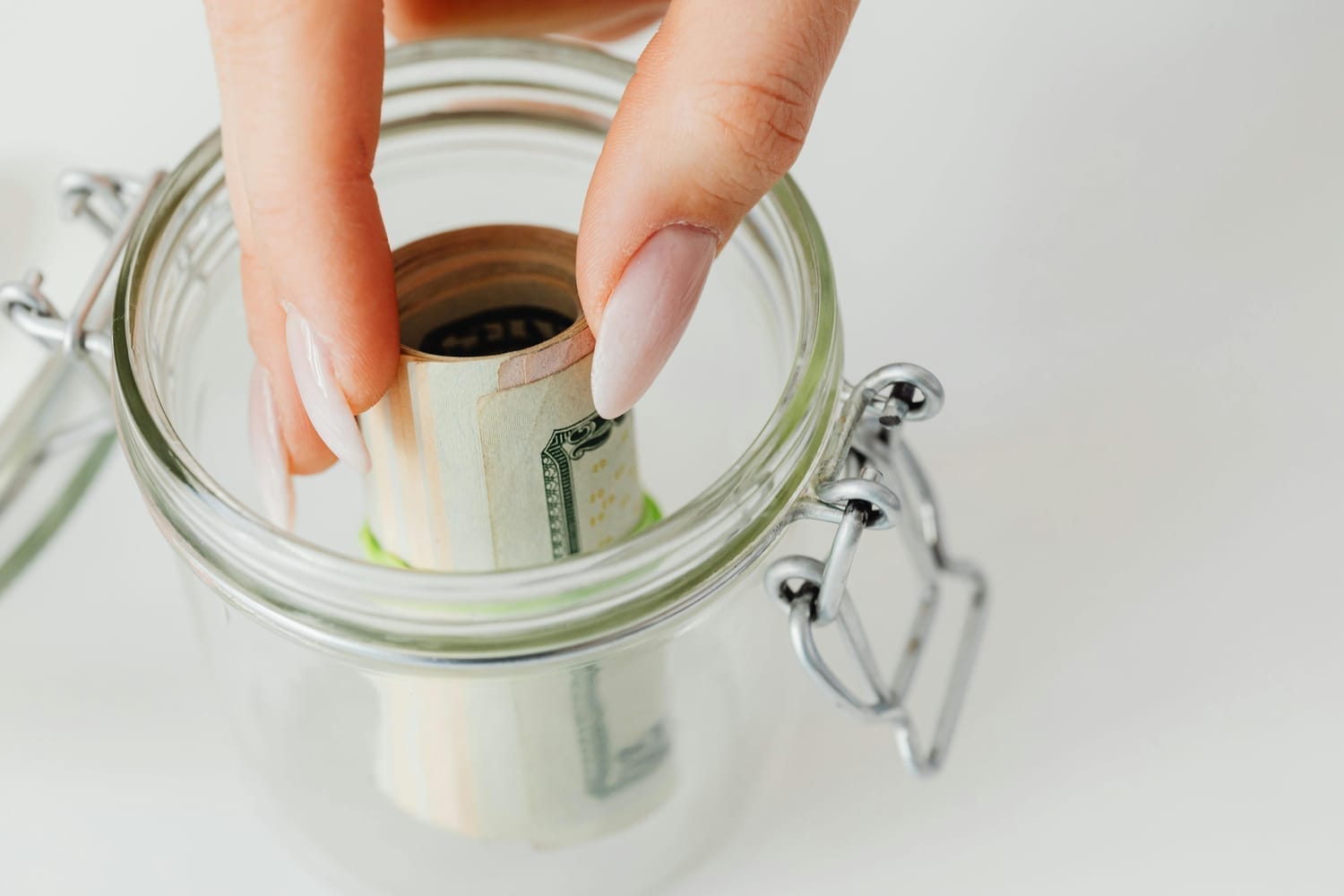
Photo by Kaboompics
When should I start an emergency fund?
An emergency fund is money set aside specifically for unexpected situations—like a job loss, medical bills, or urgent repairs. Financial experts recommend saving at least 3 months' worth of essential expenses in an easily accessible account.
Ideally, we’d all have had our emergency funds ready three years ago—LOL. But if that’s not your reality, the best time to start is TODAY.
Having an emergency fund is a strong sign of financial stability. But let’s be real—not everyone can stash away thousands overnight. And that’s okay! It’s not about how much you start with; it’s about consistently putting away small amounts until it adds up over time.
💡 TIP: Consider tackling high-interest credit card debt first. Since interest can grow quickly, it’s often smart to reduce that burden before building your emergency savings.
Stay on track of your financial goals! Get the Budget Template Now
How to start an emergency fund?
There’s no one-size-fits-all approach when it comes to building an emergency fund. You can start by saving a small amount each month or setting aside a lump sum if you already have extra cash. Maybe you get an annual bonus at work or a decent tax refund—rather than spending it all on gifts or impulse buys, consider putting it into a high-yield savings account where it can grow over time.
If you're starting from scratch, begin little by little. The first step is to create a budget so you understand your income, expenses, and how much you can realistically save. To make it easier, automate the process—set up automatic transfers to your emergency fund each month so you don’t even have to think about it.
💡 Think about this: that $5 coffee from Starbucks each day adds up to around $150 a month—money that could go directly into your emergency savings.
Start by setting a clear goal. While you can't predict every emergency (like unexpected car repairs or medical bills), you can estimate your monthly essential expenses to figure out how much you need. From there, decide how much to set aside from each paycheck, and look for extra savings opportunities—like cutting back on nonessential spending such as dining out, entertainment, or unused subscriptions.
How Much Money Should You Have in an Emergency Fund?
The amount you should have in your emergency fund varies depending on who you ask. Traditionally, financial planners recommend saving 3 to 6 months' worth of essential expenses to cover unexpected events. However, with the recent economic uncertainty, more experts now suggest aiming for 8 to 12 months of expenses—just to be safe.
Of course, the right number for you depends on your personal circumstances:
Are you single or married?
Do you have kids?
Is your job stable or freelance?
Could you rely on family for support in an emergency?
These factors can greatly influence how much you should aim to save. That said, no matter your situation, having at least 3 months of expenses set aside is a solid starting point.
To estimate your emergency fund goal, begin by listing your essential monthly expenses, such as:
• Rent or mortgage
• Utilities
• Groceries
• Insurance
• Clothing essentials
• Transportation
Use real, accurate numbers that reflect your current lifestyle—especially if you live in a higher-cost area like a big city. This will help you set a goal that actually works for you.
Where should I save my emergency fund?
When it comes to your emergency fund, the most important factor is liquidity—your ability to access the money quickly when you need it. Ideally, you should be able to withdraw the funds within one to two days in case of an emergency. Because of this, investing it in the stock market or other volatile assets is not recommended—you want the full amount available at all times.
Here are a few smart places to keep your emergency fund:
1. High-Yield Savings Account (HYSA)
A high-yield savings account offers a significantly higher interest rate than a traditional savings account—typically 10 to 20 times more. This means your savings can grow faster, even while sitting in an easily accessible account.
Benefits include:
Quick access to your funds
FDIC or NCUA insurance, typically up to $250,000
No monthly fees or minimum balance requirements with many institutions
Competitive interest rates, like 3.5% with an EQ Bank Personal Account (check their current rate). Also check Wealthsimple Cash account.
This is one of the most recommended options for an emergency fund because it combines security, liquidity, and interest earnings.
2. Cash Envelope System
You could also keep a portion of your emergency fund in physical cash stored securely at home (e.g. in a safe).
Pros:
Immediate access
No bank required
Cons:
No interest earned
Not very secure if not stored properly
Temptation to spend it on non-emergencies
This method is best used for a small portion of your fund—for example, for power outages or card issues where digital access may be temporarily unavailable.
3. Prepaid Debit Card
A prepaid debit card allows you to load cash onto a card that’s not linked to your main bank accounts.
Pros:
Easy to use in emergencies
Doesn’t interfere with your checking or savings accounts
Cons:
May have fees for loading or transactions
Typically no interest earned
Limits on how much you can store
This option can be a good backup method for emergency access, but shouldn’t be your primary fund storage.
Example of an emergency fund
Let’s say you decide to build an emergency fund that covers four months of essential expenses. After reviewing your monthly budget, you determine the following average costs:
Categories
Amount
🏡Rent
$3,000
💡Utilities
$300
🚗Car Payment
$500
🍽️Eating out
$200
🧑🎓Student Loan
$200
⛽Gas
$300
🛒Groceries
$400
👕Clothes
$180
💸Emergency Fund
$125
💵Retirement Account
$150
Total
$5,355
To cover four months, you’d aim to save:
$5,355 × 4 = $21,420
So, your emergency fund goal would be $21,420, which would give you a financial cushion if something unexpected comes up.

Photo by Karolina Kaboompics
Why it matters?
Emergencies can strike at any time—job loss, medical bills, car repairs, or even natural disasters. While you can’t predict when they’ll happen, you can prepare for them.
Having an emergency fund means you won’t have to rely on credit cards, loans, or family to get through tough times. It gives you peace of mind, knowing that if life throws a curveball, you’ll be ready to handle it—without added financial stress.
Written by:
Anabel Gonzalez


About me

Hi there 👋! I’m Anabel, and this is my blog. I love the beach, traveling, and dancing 💃.


Created with ©systeme.io